


Ich hatte mir mal zum nachfüllen ein Gebinde BASF Glysantin G30 gekauft. Zum auffüllen vom Kühler bräuchte ich irgendwie 3 L wenn ich mich nicht alles täuscht. Würdet ihr das auch nehmen? Es steht halt nicht offiziell für Ford zugelassen drauf...
Beiträge von Go4IT
-
-
Noch ne Frage zur Umsetzung laut ETIS. Dort beginnt der ganze Spaß mit absichern des Motorblocks durch einen Rangierwagenheber. Das wirkt auf mich aber als würde man das ganze am Boden machen und nicht auf einer Bühne, nicht wahr? Wäre auf einer Bühne ja auch irgendwie blöd weil man ja fast alles von oben machen muss. Und wozu soll man dann den Innenradkasten entfernen? Ich dachte das wär damit man besser irgendwo ran kommt. Aber aktuell verstehe ich den Grund noch nicht.
-
Danke digdog !
Hab mal etwas rumgesucht. Bezüglich dem abdrücken vom Kühlsystem würde ich mir sowas kaufen:
- BGS Adapter Nr. 15 für Art. 8027, 8098 für Ford, Mazda (kostet auf Amazon knapp 11,- €)
- BGS Handpumpe 8027, 8098 (kostet auf Amazon knapp 30,- €)
- BGS 8027-32 Kunststoff-Schlüssel für Art. 8027/8098 (kostet auf Amazon knapp 5,- €)
Da hab ich dann zwar 46,- € ausgegeben, aber dafür alles zusammen und günstiger als ein ganzer Koffer von dem ich nur ein Teil brauche. Auf dem Kunststoff-Schlüssel könnte man noch verzichten...
Zum Thema Spezialwerkzeug habe ich dann noch das hier gefunden:
Zahnriemen Steuerzeiten Werkzeug Ford 2,0 TDCi und 2,2 TDCi (kostenpunkt knapp 30,- €)
Da ist doch alles drin was ich brauche, oder?!
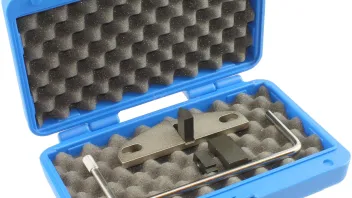
Was bräuchte man denn noch an Spezialwerkzeugen für die Reparatur?
Und welche für den Wechsel des Nebenaggregat-Rippenriemens?
Ich kenne das so das man eine der Spannrollen mit einer Ratsche an der Schraube dreht wodurch man den Riemen entspannt. Dann müsste man den ganz leicht abnehmen und in umgekehrter Art wieder festmachen können. Oder ist das hier beim Mondeo wieder anders? Braucht man da irgendwelche Zangen/Hebelwerkzeuge für?
-
BBG-AE185 , neben den beiden Arritierstiften braucht man auch diesen Dorn für den Anlasserflansch, 303-393-01. Auf dem ETIS Bild ist nur der Dorn so bezeichnet, was ist aber mit dem Halter 303-393A, den brauch man doch auch?!
-
Sollte ich bei der Gelegenheit den Keilriemen nicht gleich mit wechseln? Mit Spanner und Rollen? Kann mir jemand dafür die Bestellnummer nennen?
-
Tja, das ist nett gemeint von Dir, aber es scheitert schon daran das ich meinen Mondeo darin garnicht auswählen kann. Aber die Frage ist ja auch wo das dann sein soll. Die Werkstätten um mich herum kann ich an einer Hand abzählen und die hab ich schon abgeklappert. Ob mir die nun einen anderen Preis machen nur weils über ein Portal kommt wage ich zu bezweifeln...
Kommt sicher auch drauf an wo man wohnt. In Bayern dürfte das ein gutes Stück teurer sein als in Thüringen.
Da ich den Arritierbolzen für die Ventile von BBG-AE185 bekommen kann und eine Druckdeckel von Tycho, bin ich gefühlt schon irgendwie selbst dabei es zu machen. Nicht nur des Geldes wegen.
-
Ich würde den nicht "verschenken". Und "was größeres" wird eh schwierig, außer Du kaufst nen Bus...
-
Ist bei meinem von Beginn an schon so gewesen und hat sich nicht geändert...
-
Vielen Dank BBG-AE185 für Deine guten Tipps, das werde ich mal tun. Mir ist auch lieber zu wissen woran ich bin.
Kurzer Zwischenbericht: Die Werkstätten wollen zwischen 1.000 und 1.200 € für diese Reparatur haben (ohne irgendwelche Zusatzarbeiten wie Keilriemen/Rollen wechseln und was man vielleicht sonst noch machen sollte wenn man schonmal so viel demontiert hat..?) Dabei verlangen die bereits 400-450€ (zzgl. Steuer) nur für den Reparatursatz. Den bekommt man auf ebay ab 145,-€, ebenfalls original und mit der gleichen FINIS
 Vom Kühlmittel ganz abzusehen, wofür ich zwischen 40 und 50€ zahlen soll. Ich überlege wirklich ganz stark Dein Angebot anzunehmen und es selbst zu versuchen. Brauch ich halt 6 Stunden statt 3,5, wurscht. Dann kostet das in einer Hobbywerkstatt mit Teilen unter 300,- €. Sofern ich es hinbekomme
  Schade das die meisten Mondeo-Fahrer in NRW sind und nicht hier um München, mit etwas Hilfe würde ich das ohne weiter nachzudenken tun :-/
Am/unterm Kühler ist alles trocken, auch am Getriebe (den Weg des Wassers kenne ich, den habe ich sowei komplett abgeleuchtet).
Das mit dem Lappen mache ich mal, auch wenn ich bezweifle das es der Deckel ist, aber! Testen!
Auch das mit dem laufen lassen und schauen mache ich.
Zur Not fahr ich auch nochmal auf die Bühne und schraub die Motorabdeckung runter um nachzusehen. Das ist allerding 25km entfernt und in der Woche kaum für mich zu schaffen. Darum mach ich erstmal alles was ich zuhause tun kann.
Für den Drucktest hat mit Tycho bereits einen Deckel angeboten zu schicken. Dachte sowas bekommt man vielleicht auch einzeln irgendwo im Baumarkt/KFZ-Markt?!
-
Ja, ich habe den 175 PS (naja, werden nun eher so 200 sein ;-), mit dem "alten" 2.2 TDCi Euro 4 Motor aus dem vFL. Das ist aber ein ganz anderer Motor als der original 200er mit Euro 5.
Die Arbeiten hat mir Digdog schon freundlicherweise zugemailt, aus Etis. Von der Sache verstehe ich nun was zu tun ist, was aber nicht heißt das ICH (und allein) das auch umsetzen könnte... ganz abgesehen von den Spezialwerkzeugen, der Sinn ich nun auch verstehe.
Risiko ist dann entsprechend hoch, vor allem ohne sachkundige Begleitung.
-
Ich versuch eure Nachfragen und Tipps mal hier zusammen zu beantworten und möchte mich schonmal herzlich für die rege Anteilnahme bedanken!
digdog: Ich werde nie wieder zweifeln, oh Meister!
 Aber sprich, was hat der Anlasser damit zu tun? Warum sollte ich den wechseln? Und den Windlauf, bzw. welchen?
endeo: Danke fürs Angebot aber wenn Du nicht in/um München herum wohnst werde ich das vielleicht garnicht bis zu Dir schaffen...
 also NOCH kocht der Karren nicht, aber das wird sicher nicht besser werden in den kommenden Tagen...
gobang: Nach allem was ich bislang gelesen habe kann da eher kein Wasser ins Motoröl gelangt sein, da lag ich komplett daneben. Weder gibts irgendwo Majo, noch sieht man was am Deckel des Einfüllstutzens oder gar Flockenbildung auf dem Kühlwasser (ok, da ist eh nicht viel drinn, ausser beim nachfüllen). Ich weiss grad garnicht wieviel Kühlwasser im System ist und natürlich brauche ich derzeit auch keine Heizung wo man was hätte merken können. Aber vermutlich ist das System bislang nie ganz trocken gewesen und das nachfüllen hat gereicht, sodass ich keine besondere Überhitzung hatte. Ausser mal einem nachlaufenden Kühlerventilator gabs da nix.
Der Ölmessstab hat keine Wassertropfen. Wenn ich den nach dem peilen schräg halte zieht sich das Öl zurück und das wirkte irgendwie dünn auf mich, zumindest im Vergleich zu dem was man oben rein schüttet
Das Wasser was ich unten sehe sind eher kleine Pfützen und Nass an div. Teilen rundrum. Keine Ahnung wo die ganze Plörre hingeht... vermutlich läufts während der Fahrt unten am Unterfahrschutz ab. ZKD? Ohje, ohje, das hoffe ich mal nicht. Und wenn, wie währen die Anzeichen?
Aber, ihr merkt auch das ich, was Mechanik angeht eher ein Donald Duck bin, willig und bemüht, aber inkompetent und eher vom Pech verfolgt

Daher denke ich, falls sich kein Joint-Venture mit einem nahegelegenen Forumsmitglied ergibt, das ich in die Werkstatt zu Ford fahre und das machen lasse.
Unabhängig davon ist für mich noch doe Frage welche Teile ich denn bräuchte und was man dann alles so mit macht in dem Zuge? EGR neu, Tubo, Inkektoren, Umbau auf Wasserstoffantrieb, Flux-Kompensator ausblasen, .... ?

-
Ups, wahrscheinlich hat digdog doch recht, denn er schreibt "hinter der Zahnriemenabdeckung" und die habe ich bislang nicht abgehabt. Dann habe ich unterhalb vom Generator nicht die Wasserpumpe
Bekommt man diesen Deckel so ab, oder muss man vorher noch zig Teile abbauen?
-
Klasse, hab ich gleich mal ins Wiki aufgenommen:
https://mk4-wiki.denkdose.de/artikel/motor/…echsel_2.2_tdci
Werde, beizeiten Bilder und weitere Infos hinzufügen.
-
Grüß Gott!
Also von Ford selbst gibt es auch eine für 99,-€
-
Wasser hab ich auch in einem und der ist original und sogar schonmal getauscht. DAS Problem haben die OEMs also scheinbar auch...
-
reines wasser ist nicht gut, denk an den kalk!
nach 6 km isset nicht weiter wild, das wasser ist ja noch im öl und nicht richtig verdampft.
wie sieht bei dir den anschluß unten am behälter aus? mach mal nen foto. ist da auch so ein metallrohr dazwischen das an der karosse fest ist?
Oh nein, habe selbstverständlich Destilliertes genommen. Mir war nur das G30 zu schade um es ständig nachzukippen. Da kostet ein Liter ja mal 15€...
Ja, Fotos bin ich noch schuldig und hier kommen sie:
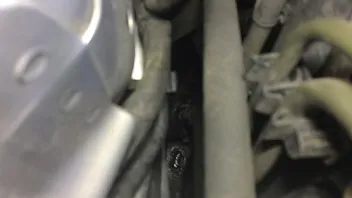
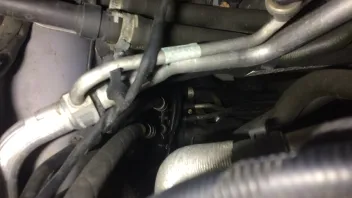
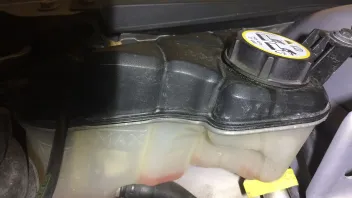
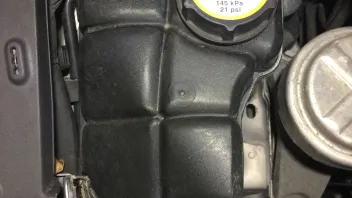
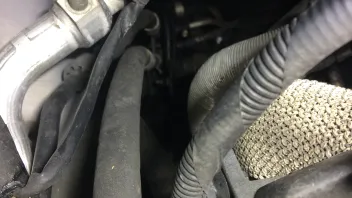
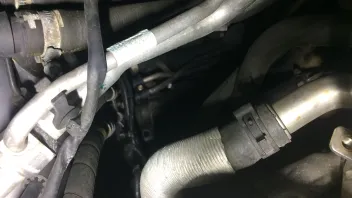
Wirklich gut kommen die Bilder nicht, ist recht schwierig da was zu erkennen und scharf zu bekommen. Alles von Oben fotografiert.
Aber vorn wo die Wasserpumpe sitzt (mein Motor sieht übrigens ganz anders aus als digdog sein Bild) ist es zwar rostig aber völlig trocken. Nass ist es erst ab dem hinteren Teil des Motors. Aber das kann natürlich gut sein das es erst unten am Motorblock entlangläuft bis zur tiefsten Stelle. Wenn die Pumpe undicht ist, dann natürlich an der Welle und da tropft es dann ja nicht unbedingt auch runter.
Auch rund um den Ausgleichsbehälter ist es komplett trocken - und sehr warm. Das Blech am Domlager, sowie das Motorlager sind fast so warm wie der Motorblock. Aber, das kann auch alles ganz normal sein, hab ich ja vorher nie drauf geachtet. Überhaupt, hätte ich nicht zufällig den Wasserstand kontrolliert wär mir das garnicht aufgefallen. Bei meinem selbst durchgeführten Ölwechsel war da unten alles trocken und der ist erst knapp ne Woche her. Vor ein paar Tagen hab ich dann noch den Luftfilter gewechselt, weil der ebay-Kraddler (achja, vor dem muss ich Euch ja noch warnen) mit den falschen geliefert hatte und ich das aber erst viel später gemerkt hab. Egal, jedenfall ist das schon ein großer Zufall, das das gerade jetzt passiert.. oder?
Achja, wäre das eigentlich das richtige Reparatur-Kit dann für mich?
https://www.ebay.de/itm/ORIGINAL-F…34/361411319282
(FINIS 1855734)
Und dann käme gleich der nächste Thread mit "Wie wechsele ich den Zahnriem und Wasserpumpe selbst, ohne dabei den Motor ausbauen zu müssen?"

-
Ja, das Wiki !

Hier solltest Du alles finden was Du suchst: https://mk4-wiki.denkdose.de/artikel/tueren/tuermodule/start
-
Ja, da unten ist nass. Ich kann reinfüllen wie ich will. Vorhin gut 2 Liter aber reines Wasser.
Auch wieder fast leer nach einer Fahrt über 6km. Stand unter MIN und als ich den Behälter öffnete zischte es und es kam etwas nach.
Das Öl wirkt am Messstab wässrig.
-
In der Früh hab ich nochmal so 200ml rein weil halt ganz leer. Nur zum einkaufen gefahren, einige KM und zuhause lief schon der Ventilator. Temperatur laut Anzeige aber ganz normal.
Behälter wieder leer. Deckel und Behälter trocken, unten in Richtung Fahrgastzelle nass.
Ist schon komisch, ausgerechnet jetzt... ich hoffe mal Zufall und keinen Zusammenhang mit dem Ölwechsel.
Wo sitzt die Wasserpumpe? Bei 180.000km könnte das ja durchaus sein.
-
Ich hab den Stand ehrlicherweise nie kontrolliert. Bislang ging der Wagen immer in Inspektion. Ich schau morgen bei Tageslicht mal ob ich Abflusspuren finde die auf einen defekten Deckel hindeuten würden.